Cet article est actuellement disponible en anglais. Une version traduite arrivera bientôt.
Quality problems discovered in Africa are always more expensive than quality problems discovered in China. By the time substandard goods arrive at your warehouse in Douala or Lagos, you've paid the supplier, paid the freight, paid the duties, and cleared customs. The goods are in your hands and the supplier is several thousand kilometres away. The commercial leverage you had before the goods shipped is gone.
Pre-shipment quality control in China exists precisely to catch problems at the point where they're cheapest to fix — before the container is sealed. The question isn't whether to inspect; it's when and how intensively, based on what you're shipping and who you're shipping it from.
The Three Inspection Points
Pre-Production Inspection (PPI)
Conducted before production begins. Verifies that raw materials and components sourced by the factory match your specification — correct fabric grade, correct electronic components, correct materials. For products where the raw material quality determines the final product quality, catching a substandard input before it enters production is the most cost-effective intervention in the quality chain.
During Production Inspection (DPI)
Conducted when 20 to 30% of the production run is complete. Checks that the production process is following your approved specification and that early units match the sample you approved. Problems found mid-production can usually be corrected before they affect the remainder of the run — a 30% defect rate caught at DPI is a correctable situation; the same rate caught at pre-shipment means the order may not be salvageable in time for your vessel.
Pre-Shipment Inspection (PSI)
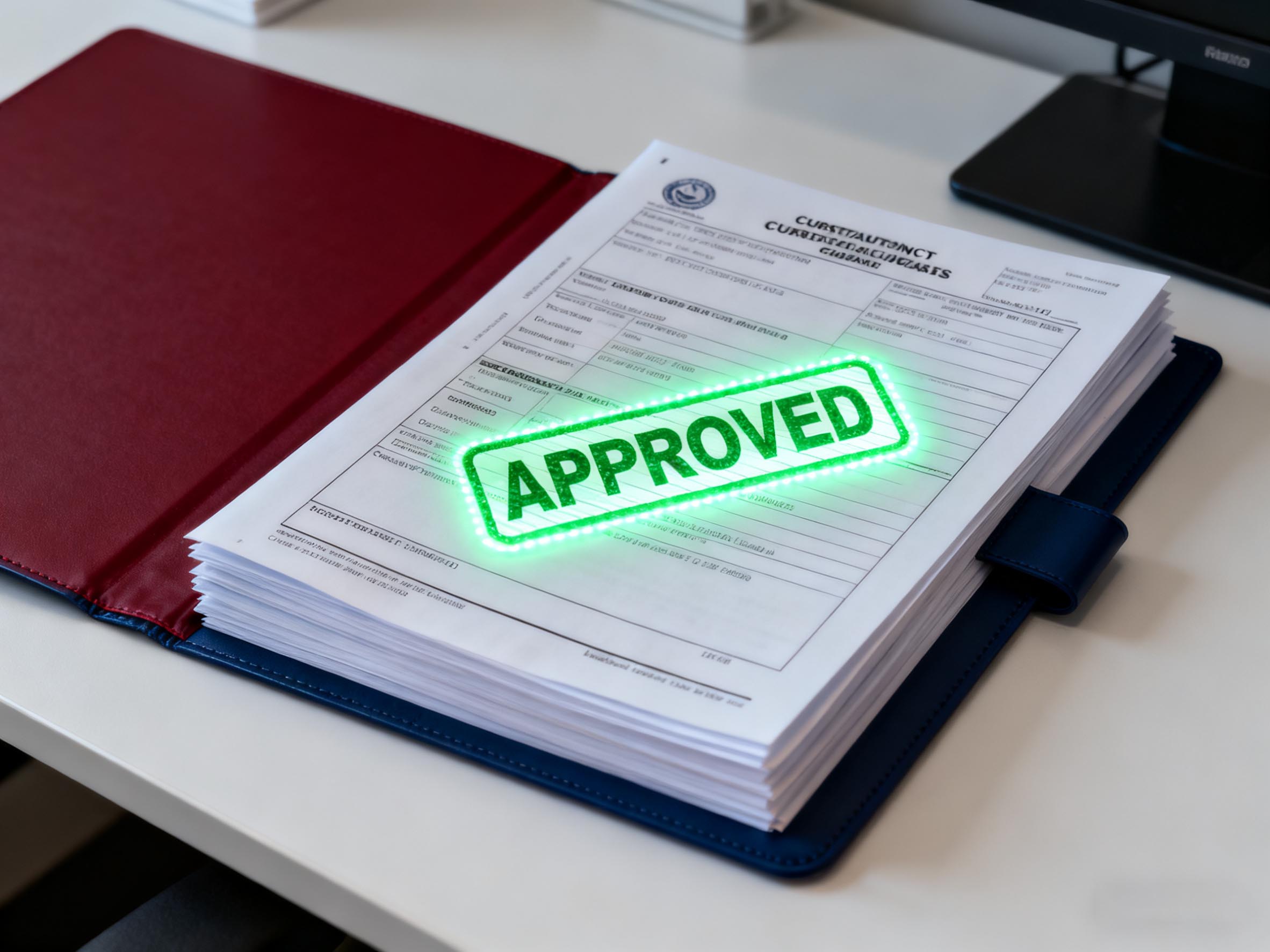
Conducted when 100% of production is complete and at least 80% is packaged. This is the most commonly used single inspection point and the last opportunity to identify quality, quantity, or packaging problems before the container is sealed. A PSI that passes gives you documented evidence that goods met your specification at the point of handover — evidence that matters in any subsequent dispute with the supplier.
What Each Inspection Costs and Catches
| Inspection Type | Typical Cost | Best Catches | Best For |
|---|---|---|---|
| PPI | $200–$350 | Wrong materials, incorrect components | Complex or material-sensitive products |
| DPI | $250–$400 | Production deviations, early defect patterns | High-volume, time-sensitive orders |
| PSI | $250–$450 | Defect rates, quantity shortfalls, packaging failures | All orders above a value threshold |
Which Combination to Use and When
-
New supplier, any order value: PSI at minimum. A first order with a new supplier should always have a pre-shipment inspection before you release the balance payment. It establishes a documented baseline of what you received and gives you evidence for any future quality dispute. See How to Find a Reliable Supplier in China Without Getting Burned.
-
Established supplier, high-value or complex order: DPI plus PSI. The mid-production check catches problems while they're still correctable; the pre-shipment check confirms the resolution held.
-
Established supplier, repeat standard order: PSI alone is usually sufficient when you have a track record with the supplier and a clear, documented specification they've delivered against before.
-
Very high-value or regulated goods: All three stages. For pharmaceuticals, precision equipment, or goods where the raw material quality is as important as the production quality, the additional cost of a PPI is negligible relative to the risk of a full production run on the wrong materials.
👉 Pro Tip: Choose your inspection company based on their presence in the factory's province, not just their global brand. An inspector who travels 8 hours to reach the factory gives you a different quality of inspection than one based 30 minutes away who conducts three inspections a day in that industrial zone. CALL works with vetted inspection partners across China's major manufacturing regions and can connect you with the right inspection resource for your factory location and product category.
Need inspection coordination for your next China order?
ChinAfrika Logistics Limited works with vetted inspection companies across China's major manufacturing regions. Talk to our operations team about arranging inspection for your specific factory and cargo type.
Talk to Our Team →Last reviewed: June 2026 · Category: China Sourcing & Supplier Management
Related articles: How to Find a Reliable Chinese Supplier · 45 Days. 9 Stages. One Shipment. · Pre-Import Verification Schemes